
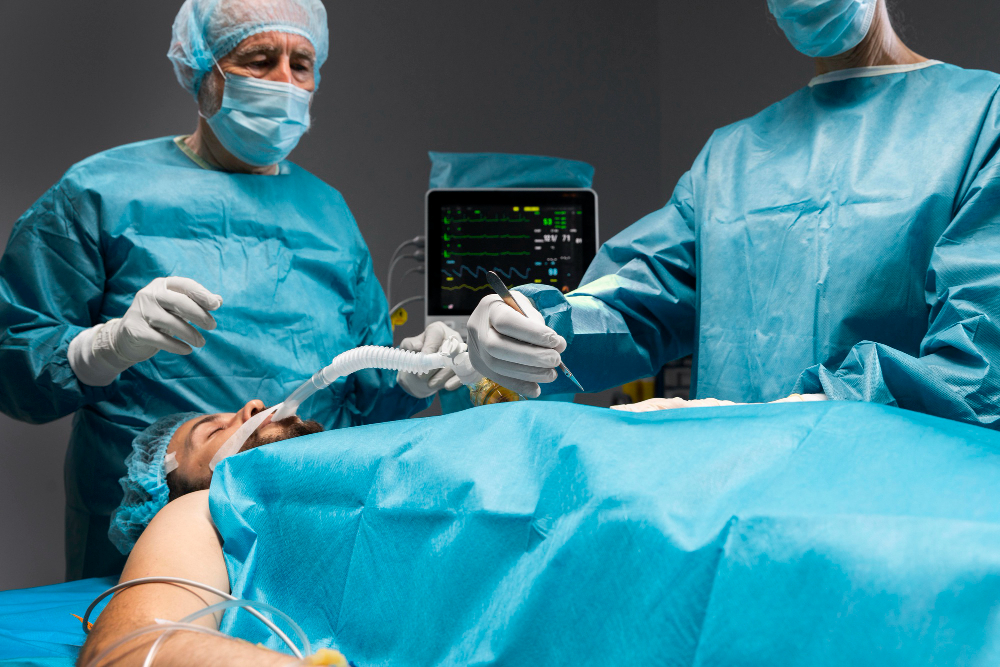
What is Laparoscopic Cholecystectomy?
Laparoscopic cholecystectomy is a minimally invasive surgery to remove the gallbladder. Doctors often use this method because it involves small cuts and quick recovery. The gallbladder is a small organ under your liver. It stores bile, which helps digest fat. If your gallbladder causes pain or infection, your doctor may suggest this surgery. Many people call it “keyhole” or “minimally invasive gallbladder surgery.” According to the CDC, this is a common and safe procedure.
Indications: When is it Needed?
Doctors may recommend laparoscopic cholecystectomy for several reasons. Most often, it is needed when you have:
Sometimes, people have no symptoms. However, if gallstones block the bile duct, surgery may become urgent. Always talk to your doctor if you have belly pain, fever, or yellow skin.
How the Procedure Works: Step-by-Step Overview
Before surgery, your doctor will explain the process. Usually, you will get general anesthesia, so you sleep during the operation. Here is a simple step-by-step overview:
Most people go home the same day. Sometimes, you may stay overnight for observation.
Benefits of Laparoscopic Cholecystectomy
Laparoscopic cholecystectomy offers many benefits over open surgery. For example, you may notice:
Because the cuts are small, healing is usually quicker. According to the World Health Organization, this method is safe and effective for most people.
Risks and Possible Complications
Like all surgeries, laparoscopic cholecystectomy has some risks. However, most people recover without problems. Possible risks include:
Rarely, the surgeon may need to switch to open surgery. This happens if there are problems during the procedure. Always discuss laparoscopic cholecystectomy risks with your doctor before surgery.
Recovery Process and Aftercare Tips
Most people recover quickly after minimally invasive gallbladder surgery. Usually, you can walk the same day. Here are some tips for smooth recovery:
Most people return to work or school within a week. However, full recovery may take up to two weeks. If you notice severe pain or yellow skin, call your doctor right away.
Frequently Asked Questions (FAQs)
Prevention and Lifestyle Guidance
While you cannot always prevent gallstones, healthy habits may lower your risk. For example, you can:
These steps support your overall health and may help prevent gallbladder problems.
Conclusion
Laparoscopic cholecystectomy is a safe and effective treatment for gallbladder problems. Since it is minimally invasive, recovery is often quick and uncomplicated. However, each patient’s needs are unique. For personalized advice and expert guidance on laparoscopic cholecystectomy, consult Dr. Shailesh, a qualified surgeon dedicated to providing the best care for you.