
What Is Laparoscopic Hernia Repair?
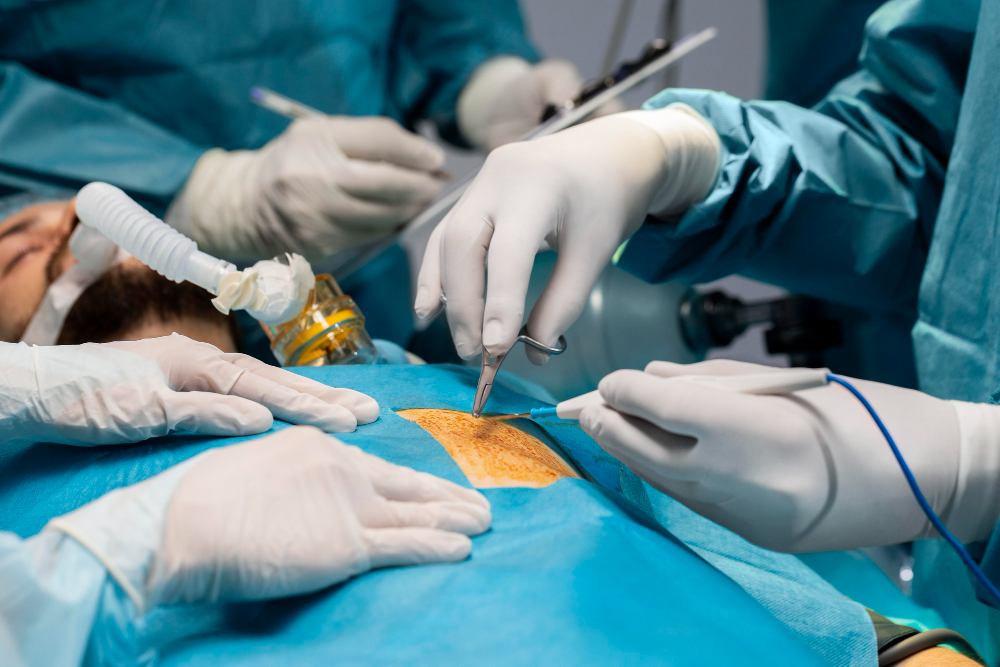
Laparoscopic hernia repair is a minimally invasive hernia surgery. It helps fix a hernia using small cuts and a camera. During this surgery, doctors use special tools to repair the weak spot in the muscle. Because the cuts are small, healing is often faster. Many people choose this method for its quick recovery and less pain. The World Health Organization and other experts support this safe and effective approach.
Common Symptoms and When to Consider Surgery
Hernias can cause different symptoms. Sometimes, you may notice a bulge or swelling in your belly or groin. You might feel pain, especially when lifting, coughing, or standing. In some cases, the pain gets worse over time. If you notice these signs, it is important to see a doctor. Surgery is often needed if:
Early treatment can prevent serious problems. So, do not wait if you have these symptoms.
How the Laparoscopic Procedure Works
First, the doctor gives you anesthesia, so you sleep during the surgery. Next, small cuts are made near the hernia. Through these cuts, a thin tube with a camera (called a laparoscope) goes inside. This camera helps the doctor see the hernia clearly. Then, special tools are used to push the bulge back and cover the weak spot with a mesh. The mesh helps keep the muscle strong. Finally, the cuts are closed with stitches or glue. Because the cuts are small, scars are tiny and heal quickly.
Benefits of Laparoscopic Hernia Repair
Laparoscopic hernia repair offers many advantages over open surgery. For example, you may notice:
Because of these benefits, many people prefer minimally invasive hernia surgery. According to the CDC, this method is safe and effective for most patients.
Risks and Possible Complications
Although laparoscopic hernia repair is safe, every surgery has some risks. However, most people recover without problems. Possible risks include:
Your doctor will explain these risks before surgery. If you notice fever, severe pain, or redness after surgery, contact your doctor right away.
Recovery Timeline and Aftercare Tips
Most people recover quickly after laparoscopic hernia surgery. In fact, you may go home the same day. Here is what you can expect during recovery:
To help your body heal, follow these aftercare tips:
Because everyone heals at a different pace, always listen to your body and your doctor’s advice.
Prevention and Lifestyle Guidance
While not all hernias can be prevented, you can lower your risk. For example, you can:
By making these changes, you help protect your body from future hernias.
Frequently Asked Questions
If you have more questions, talk to Dr. Shailesh. He can provide expert advice tailored to your needs.
Consult Dr. Shailesh, a qualified surgeon, to discuss whether laparoscopic hernia repair is the right choice for you.