
Introduction
Piles, also known as hemorrhoids, are swollen veins in the lower part of the rectum or anus. Many people experience piles at some point in their lives. While most cases improve with simple treatments, some people may need piles surgery. Recognizing the signs you may need piles surgery is important for your health and comfort. Early action can help prevent more serious problems.
What Are Piles?
Piles are swollen blood vessels inside or around the anus. They can cause pain, itching, and bleeding. Usually, piles are not dangerous. However, they can become very uncomfortable. There are two main types:
Most piles go away with home care. But sometimes, they need more attention.
Common Symptoms of Piles
Many people with piles notice mild symptoms. However, some signs can be more serious. Common symptoms include:
Sometimes, these symptoms go away on their own. But if they last, you may need to see a doctor.
When Is Surgery Needed?
Most piles improve with simple treatments like creams, warm baths, or dietary changes. Yet, there are times when surgery is the best option. You should consider piles surgery if you notice any of these signs:
In these cases, piles surgery may be the safest and most effective choice. According to the American Society of Colon and Rectal Surgeons, surgery is often recommended when other treatments fail (source).
Diagnosis and Evaluation
Doctors use several steps to decide if you need piles surgery. First, they will ask about your symptoms and medical history. Next, they may do a gentle exam of the area. Sometimes, they use a small tool to look inside the rectum. In some cases, further tests may be needed to rule out other causes of bleeding. After checking all the facts, your doctor will suggest the best treatment plan. If you are looking for piles surgery in your city, ask your doctor about local options.
What to Expect from Piles Surgery
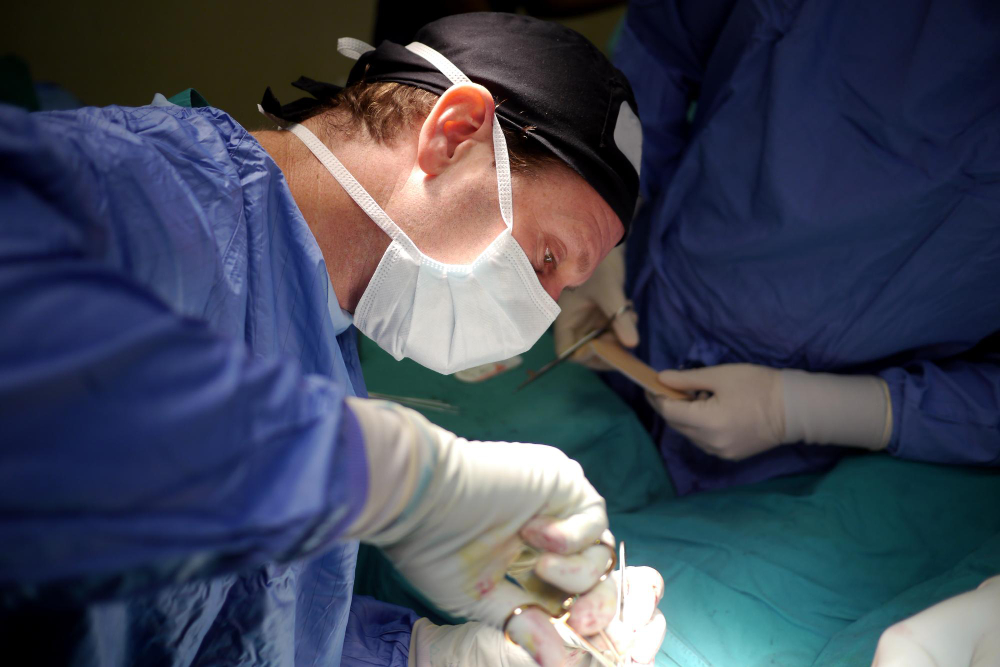
If you need piles surgery, your doctor will explain the process. There are different types of surgery, such as:
Most surgeries are safe and help relieve symptoms. Recovery time depends on the type of surgery and your health. Usually, you can go home the same day or after a short stay. Your doctor will give you tips to help you heal faster.
Prevention and Lifestyle Tips
After piles surgery, or to prevent piles from coming back, you can follow these tips:
By making these changes, you can lower your risk of piles returning.
Conclusion
Piles can be painful and bothersome, but help is available. If you notice signs you may need piles surgery, do not wait. Early treatment can make a big difference. Consult a specialist at Starting New Hospital for personalized guidance on piles surgery.